
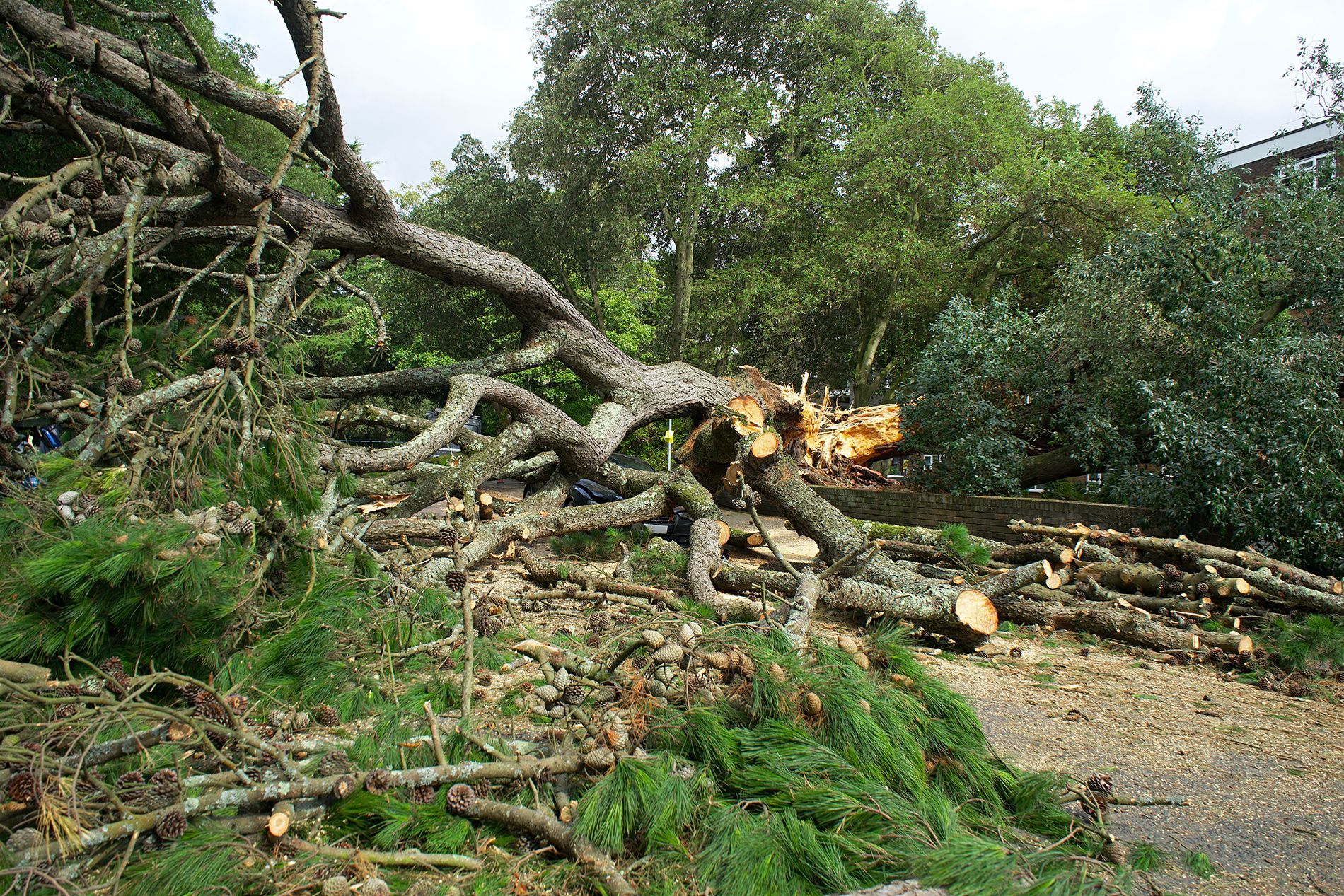
Tree pruning is an important part of maintaining healthy and attractive trees. However, pruning involves much more than simply cutting off branches that appear unneeded. Cutting in the wrong locations or removing too much growth can damage a tree and create future problems. Professional tree pruning provides homeowners with knowledgeable care designed around the needs of each individual tree. At Galvez Tree Services, we’re happy to answer your questions about tree pruning in the greater Holmes, NY area. Why Is Professional Tree Pruning Important? Professional pruning can help remove dead, diseased, damaged, and poorly positioned branches. Strategic pruning can improve the tree's structure and encourage healthier growth while reducing certain hazards. Professionals understand how different tree species respond to pruning and can determine which branches should be removed without unnecessarily stressing the tree. How Do I Know if My Tree Needs Pruning? Visible dead or broken branches are common indications that pruning may be necessary. Other potential signs include branches rubbing against each other, excessive growth interfering with structures, or limbs growing into areas where they could become hazardous. A professional evaluation can help determine whether pruning is appropriate and identify structural concerns that may not be obvious from the ground. Can Pruning Improve Tree Health? Yes, properly performed pruning can support tree health. Removing diseased or damaged branches may limit the spread of certain problems, while thinning selected areas can improve air circulation and sunlight penetration. However, excessive pruning can have the opposite effect by removing too much foliage and placing unnecessary stress on the tree. Professional tree specialists know how to make strategic cuts while preserving as much healthy growth as possible. Can I Prune Large Trees Myself? Pruning large trees can be dangerous, particularly when branches are located high above the ground or near buildings and utility lines. Working with ladders, chainsaws, and heavy branches creates significant safety risks for those without much experience. Professional tree care specialists have appropriate equipment, training, and experience for safely reaching and removing difficult branches while reducing the risk of injury and property damage. Where Can I Find Professional Tree Pruning in Holmes, NY? For expert tree pruning in Holmes and the surrounding area, contact Galvez Tree Services at 914-266-2322 . Feel free to give us a call to request an estimate for tree services in greater Holmes, NY !
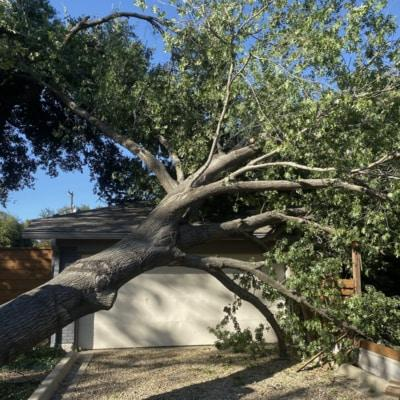
When a tree becomes unhealthy or structurally unstable, it can quickly turn into a serious safety hazard. A compromised tree may drop heavy branches, damage nearby structures, or even fall without warning during severe weather. Knowing what to look for can help you address potential dangers before they result in costly damage or injuries. At Galvez Tree Services, we provide expert hazardous tree identification and removal in the greater Holmes, NY area. If you notice any of the following warning signs, it's wise to have the tree evaluated by an arborist. The Tree Is Leaning More Than It Used To While some trees naturally grow at an angle, a tree that has recently started leaning or has become noticeably more tilted may be unstable. A sudden lean can indicate root damage, shifting soil, or structural failure within the trunk. This is especially concerning if the tree is leaning toward your home, driveway, garage, or other frequently used areas. A professional inspection can determine whether the tree can be stabilized or if removal is the safest solution. The Trunk Has Deep Cracks or Visible Decay The trunk is the main support structure of a tree, so any major damage should be taken seriously. Deep cracks, hollow sections, cavities, peeling bark, or areas of rot can weaken the tree's structural integrity. In many cases, decay begins inside the trunk before becoming visible on the outside. An arborist can assess the extent of the damage and determine whether the tree remains safe. The Roots Show Signs of Failure A healthy root system anchors a tree securely in the ground. Exposed roots, mushrooms growing around the base, lifted soil, or large root injuries can indicate that the tree's foundation has been compromised. Root problems often develop after construction, flooding, or severe storms and can significantly increase the likelihood of the tree falling unexpectedly. The Tree Is Close to Structures or Utility Lines Even a healthy tree can become hazardous if it grows too close to homes, garages, power lines, or heavily traveled walkways. Overgrown branches may rub against roofs, interfere with electrical lines, or break during storms. If the tree is already showing signs of decline, its location makes the situation even more urgent. Hazardous Tree Removal in Holmes, NY For expert tree removal in Holmes, NY and the surrounding area, contact Galvez Tree Services at 914-266-2322 . Feel free to give us a call to request an estimate for tree services in greater Holmes !
Hiring an arborist for tree removal ensures safety and prevents damage. Trust our experts for reliable service. Contact us for a free estimate!
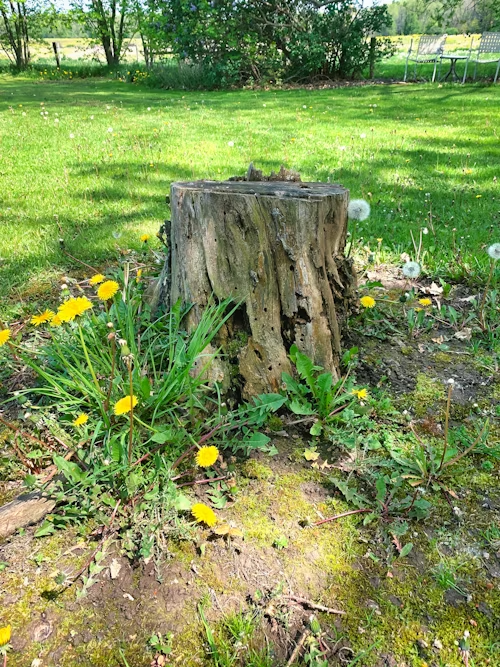
Learn why removing tree stumps enhances safety & curb appeal. Contact Galvez Tree Service for expert stump grinding today!
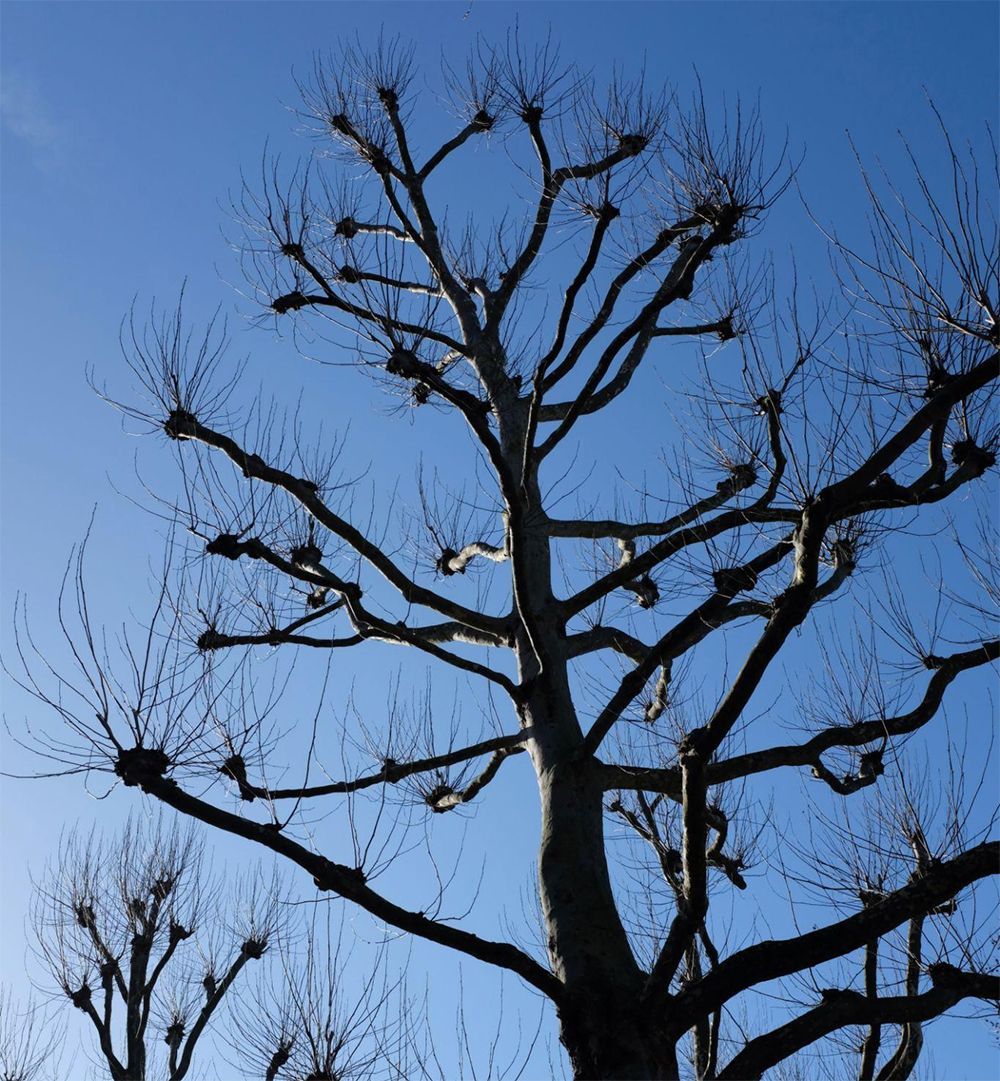
Learn about trimming & pollarding London plane trees. Contact us for expert tree care services in Holmes, NY!
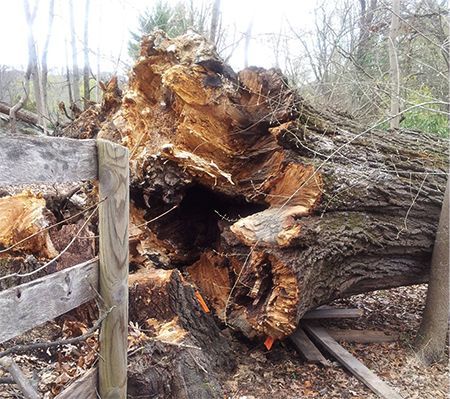
Learn the signs that a tree may fall. Contact Galvez Tree Service for expert tree removal & safety evaluations in your area.